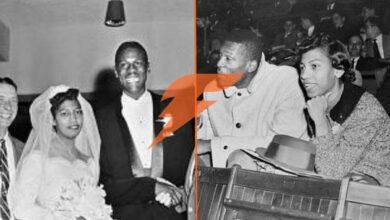
Corey Ewing is best known as the daughter of NBA Hall of Famer Patrick Ewing, but her story is also about personal identity, education, and choosing her own path. Raised near one of basketball’s most famous legacies, she did not simply follow the expected route. Instead, she built her own profile through academics, athletics, and a quieter public life connected to Georgetown, volleyball, and service.
Quick Bio
| Field | Details |
|---|---|
| Full Name | Corey Ewing |
| Known For | Being Patrick Ewing’s daughter |
| Father | Patrick Ewing |
| Mother | Rita Williams Ewing |
| Sibling Mentioned Publicly | Patrick Ewing Jr. |
| Family Background | Basketball and sports family |
| College | Georgetown University |
| High School | Northfield Mount Hermon School |
| High School Sports | Volleyball and track |
| Basketball Connection | Daughter of a New York Knicks legend |
| Personal Sports Preference | Publicly said she did not enjoy playing basketball |
| Public Profile | Private and low-key |
| Career Interest | Media, philanthropy, and service-related work |
| Advocacy Link | Congressional Coalition on Adoption Institute internship |
| Known Public Moment | Appeared as a child during her father’s retirement-related media moment |
| Public Image | Independent, grounded, and private |
Who Is Corey Ewing?
Corey Ewing is the daughter of Patrick Ewing, the legendary former New York Knicks center and Georgetown basketball icon, and Rita Williams Ewing. She is often recognized because of her father’s name, but her public story is not only about being connected to basketball greatness. It is also about growing up around fame while developing her own interests in education, athletics, and meaningful work.
Unlike many children of famous athletes who step directly into the same sport, Corey’s path was different. Basketball was always around her family, but it was not the sport she chose for herself. Her known athletic background is linked more strongly to volleyball and track, especially during her high school years. The Hoya reported in 2013 that she played volleyball and ran track in high school before beginning her time at Georgetown University.
This makes her biography interesting because it shows a familiar public pattern with a different outcome. She grew up with a name that carried huge sports history, yet she seemed comfortable creating a life that was quieter and more personal.
Corey Ewing and the Patrick Ewing Family Legacy
Any biography of Corey Ewing naturally includes her father’s powerful sports legacy. Patrick Ewing is one of the most important figures in New York basketball history. The Naismith Memorial Basketball Hall of Fame describes him as a major force at Georgetown University who helped lead the Hoyas to three Final Four appearances and the 1984 NCAA national championship.
Patrick later became the face of the New York Knicks for much of the 1990s. NBA.com notes that he became the Knicks’ all-time leader in points, rebounds, blocks, and steals, which explains why his name remains strongly tied to Madison Square Garden and New York basketball culture.
For Corey, this family name meant growing up near one of the most visible sports identities in America. Yet her story is not one of simply copying her father’s career. Instead, her biography is shaped by the balance between family legacy and personal choice.
Corey Ewing’s Mother Rita Williams Ewing
Corey Ewing is also publicly known as the daughter of Rita Williams Ewing. While Patrick Ewing’s career brought the family into the sports spotlight, Rita’s place in Corey’s story is important because it gives a fuller view of her family background.
Public information about Corey’s personal family life is limited, and that privacy should be respected. A responsible biography should not add rumors, private claims, or details that are not clearly verified. What can be said is that Corey grew up in a family deeply connected to education, sports, and public attention.
This balanced family context matters because many celebrity-child biographies focus too heavily on the famous parent. In Corey’s case, the goal is to understand the environment around her without reducing her identity to someone else’s achievements.
Growing Up as Patrick Ewing’s Daughter
Growing up as Patrick Ewing’s daughter meant being connected to basketball fame even before Corey fully understood its size. Children of famous athletes often experience public attention before they are old enough to understand why people care so much. Corey’s own comments from her college years show that this was part of her experience.
The Hoya reported that Corey said only a couple of people had asked her about her father since she arrived at Georgetown, and the article also described the way Georgetown felt familiar to her because of her father and older brother’s connection to the school.
This detail shows something important about her public image. Corey did not appear to present herself as someone chasing celebrity attention. Instead, she seemed to value normal college life and personal comfort. For her, Georgetown was not just a famous basketball program. It was a place connected to family memory, school identity, and a feeling of home.
Corey Ewing’s Early Public Moment
One of Corey’s most remembered public moments came when she was still a child and appeared near her father during an emotional period connected to his NBA retirement. Getty Images identifies photos of Corey, age five, looking on as Patrick Ewing spoke to the media during a news conference at Madison Square Garden.
That image matters because it captures the unusual world she grew up in. For most children, a parent’s career change happens privately. For Corey, it happened in front of cameras, reporters, and fans who had followed her father for years.
Still, this public moment should not be exaggerated. It does not mean Corey chose a life in front of the media. It simply shows how early she was connected to the sports spotlight because of her father’s career.
Corey Ewing’s Education at Georgetown University
Georgetown University is one of the most important parts of Corey’s biography. Her father became a college basketball legend there, and her older brother Patrick Ewing Jr. also played basketball for Georgetown. For Corey, attending the same university added another layer to the family’s connection with the school.
The Hoya described Corey as a first-semester freshman at Georgetown in 2013 and quoted her saying that she had “basically grown up” around the campus through her brother’s games and her father’s visits.
This detail gives her Georgetown story a deeper meaning. She was not simply attending a famous university. She was entering a place already tied to her family’s history. At the same time, college gave her a chance to be seen as her own person, not only as Patrick Ewing’s daughter.
Corey Ewing and Her Athletic Background
Corey Ewing grew up in a family where sports were a major part of daily identity. However, her athletic background did not center on basketball. Publicly available reporting connects her to volleyball and track during her high school years at Northfield Mount Hermon School.
This part of her life is important because it shows that athletic ability can appear in different forms. Patrick Ewing became famous as a dominant basketball center, but Corey’s sports interests moved in another direction. Volleyball and track require speed, timing, coordination, discipline, and team awareness. Those qualities reflect athletic talent without needing to repeat the same sport as her father.
There is a natural curiosity around whether Corey played basketball, but the strongest public detail is that she did not enjoy playing it. The Hoya reported her saying that she hated playing basketball, which became one of the clearest signs that she was comfortable choosing a different path.
Why Corey Ewing Did Not Follow Basketball
For many readers, the most interesting part of Corey Ewing’s life is that she did not become a basketball player. As the daughter of a Hall of Fame center, people may expect basketball to be the obvious choice. But family legacy does not always define personal passion.
Corey’s public comment about not enjoying basketball shows independence. It also makes her story more relatable. Many people grow up around a family business, family profession, or family tradition and still decide that their own interests are different.
This does not suggest any rejection of her father’s legacy. In fact, Corey’s connection to Georgetown shows that she respected and valued that history. But respect does not mean imitation. Her story shows that a famous last name can open public interest, while personal choice still shapes the real direction of a life.
Northfield Mount Hermon School and High School Sports
Before Georgetown, Corey attended Northfield Mount Hermon School, a respected college preparatory school known for academics and student development. During that period, she played volleyball and ran track, according to public reporting.
High school athletics likely gave Corey structure and confidence. Volleyball teaches communication and timing, while track builds endurance, speed, and mental focus. These experiences helped show that she had athletic interests of her own, even if they were different from the basketball path many people might have expected.
This part of her biography also helps separate fact from assumption. It is easy for readers to assume that Patrick Ewing’s daughter must have played basketball seriously. The clearer public record shows a different picture. Corey was athletic, but her known sports background was not built around basketball.
Corey Ewing’s Life Beyond Sports
Corey Ewing’s biography should not stop at family and athletics. She also developed interests connected to media studies, philanthropy, and public service. Public reporting has linked her to an internship with the Congressional Coalition on Adoption Institute, also known as CCAI.
CCAI describes its work as bringing awareness and education to members of Congress through resources connected to child welfare policy, adoption, foster care, and vulnerable children and families.
This connection adds a meaningful layer to Corey’s profile. It shows that her interests extended beyond sports culture. Even though she came from a famous athletic family, her academic and professional direction included media and service-related work.
Corey Ewing’s Advocacy and Philanthropy Interests
Corey’s internship connection with CCAI should be described carefully. It does not mean she is a full-time public activist or a widely known nonprofit leader. However, it does show that she had exposure to advocacy work involving adoption and foster care awareness.
That matters because it reflects a broader sense of purpose. Adoption and foster care work deals with family stability, child welfare, and public policy. For a student or young professional, working in that environment can build awareness of how institutions, lawmakers, and nonprofit organizations try to support children and families.
In a biography, this detail helps readers see Corey as more than a sports-family figure. It presents her as someone with interests in communication, service, and social impact.
Corey Ewing and Patrick Ewing Jr.
Corey Ewing’s older brother, Patrick Ewing Jr., is another important part of the family story. Like their father, Patrick Ewing Jr. became closely connected to Georgetown basketball. His path made the Ewing name familiar to another generation of Hoyas fans.
Corey’s path was different. While Patrick Jr. followed basketball more directly, Corey’s public story points toward a quieter academic and personal direction. This contrast helps explain the diversity within the Ewing family. The same family legacy shaped both siblings, but it did not produce identical life choices.
That difference is what makes Corey’s biography more meaningful. She grew up in the same family environment, but she did not need to define herself through the same sport.
Public Image and Private Life
Corey Ewing appears to keep a private public profile. Unlike many children of famous athletes, she has not built a widely public media identity around interviews, entertainment, or constant social media attention.
This privacy should be treated with respect. A responsible article should not invent details about her relationships, income, career position, or current personal life when those details are not publicly verified. The most reliable parts of her public story involve her family background, Georgetown connection, high school athletics, and service-related interests.
Her private image may actually be one of the most important parts of her story. It shows that a person can be connected to fame without turning every part of life into public content.
Where Is Corey Ewing Now?
As of publicly available information, Corey Ewing does not appear to seek a major celebrity profile. Her known public story remains centered on being Patrick Ewing’s daughter, attending Georgetown University, playing volleyball and running track in high school, and showing interest in media and philanthropy.
Because there is limited verified information about her current career or personal life, it is better to avoid speculation. Many online biographies make the mistake of filling gaps with assumptions. In Corey’s case, the more accurate approach is to say that she has maintained a relatively low public profile.
That privacy does not make her story less valuable. Instead, it makes her biography a good example of how someone can grow up near fame while still choosing a quieter and more independent path.
Corey Ewing’s Identity Beyond a Famous Last Name
Corey Ewing’s life is often introduced through Patrick Ewing, but her identity should not end there. She represents a different kind of sports-family story. She did not become famous for copying her father’s basketball career. She became known because she grew up near greatness and still chose her own lane.
Her Georgetown connection shows respect for family history. Her athletic background shows discipline. Her interest in philanthropy shows awareness beyond sports. Her private public image shows personal boundaries.
Together, these details create a fuller picture of Corey as a grounded figure connected to a legendary family, but not fully defined by it.
Final Thoughts
Corey Ewing’s biography is a story of family legacy, education, and individuality. She is widely known as Patrick Ewing’s daughter, but the most interesting part of her story is how she moved through that identity with independence. Georgetown connected her to a historic family tradition, while volleyball, track, media studies, and service-related work showed her own direction.
Her life reminds readers that fame can shape a person’s environment, but it does not have to decide their future. Corey’s story is not about standing in the shadow of a basketball legend. It is about growing up near that legacy and still building a personal path.
FAQs
Who is Corey Ewing?
Corey Ewing is best known as the daughter of NBA Hall of Famer Patrick Ewing and Rita Williams Ewing. She attended Georgetown University and is publicly associated with high school volleyball, track, and service-related interests.
Is Corey Ewing Patrick Ewing’s daughter?
Yes, Corey Ewing is Patrick Ewing’s daughter. Patrick Ewing is a New York Knicks legend, former Georgetown basketball star, and Naismith Memorial Basketball Hall of Fame inductee.
Did Corey Ewing play basketball?
Public reporting does not present Corey as a basketball player. In fact, The Hoya reported that she said she did not enjoy playing basketball. Her known athletic background is linked to volleyball and track in high school.
Where did Corey Ewing go to college?
Corey Ewing attended Georgetown University. The school has a deep connection to the Ewing family because her father became a college basketball legend there and her brother Patrick Ewing Jr. also played for Georgetown.
What is Corey Ewing known for?
Corey Ewing is known for being Patrick Ewing’s daughter, her Georgetown connection, her high school athletic background in volleyball and track, and her interest in media, philanthropy, and adoption-related advocacy work.